
VISA:
Filipino Citizens with Regular Passport are required to obtain a visa. Click here for visa exemption.
LANGUAGE:
Mandarin (普通话)
WEATHER:
 WINTER: December to February
 SPRING: March to May
 SUMMER: June to early September
 AUTUMN: October to November
CURRENCY:
Chinese Yuan (CNY) also known as Renminbi (RMB)
 Source: pngtree.com
SOCKET:
Electricity in China is generally 220V, 50HZ. A standard socket has two pins on the upper part and earthed three pins on the lower part.
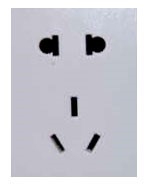 Source: staward.org
- Research before your trip. If planning to do DIY, it is critical to do extensive research before traveling to China due to language barrier.
- Buy data sim or rent a portable wi-fi as there are no free wifi on public areas, even at the airport. I bought my data sim at the Pre-departure Area of NAIA 3. It comes with 2 GB data and is also VPN ready to be able to access banned sites such as Facebook, Google, Youtube, Messenger, Instagram etc. Just plug and play to use it. It helped us a lot especially on navigation. They have Facebook page: Pinoy Traveler’s Unlimited Data SIM Card. The owner is very attentive in answering queries.
Address: NAIA Terminal 3, South Wing, Pre-departure Area Boarding Gate 111
Mobile Number: 0926-697-9866
Business hours: Monday to Sunday from 4:00 – 24:00.
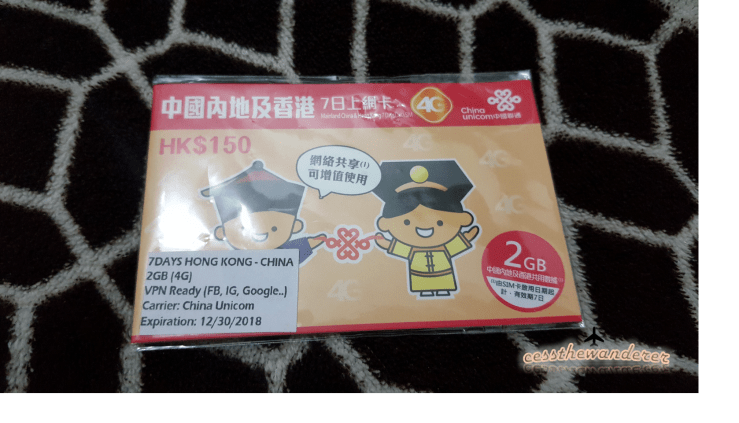
- Download essential apps like Pleco, Wechat, Metro Line Maps etc. to help you on your daily travel. Below are the apps I used during the trip:
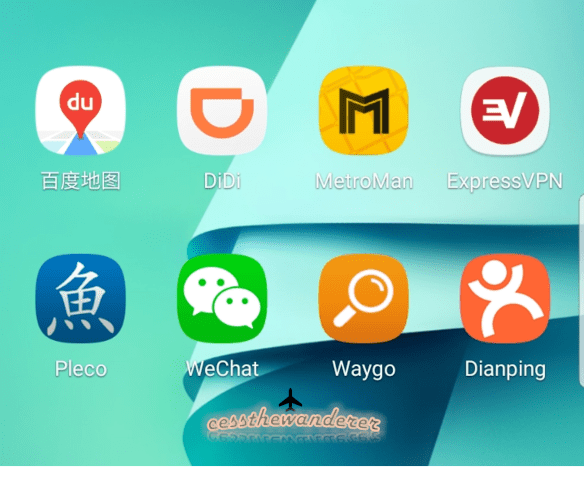
- Baidu Maps – best navigation app in China similar to Google Maps.
- Didi – a taxi-hailing app in China similar to Grab. It is available on both Chinese and English version.
- MetroMan – an app containing all the subway system of all cities in China including Taiwan and Hongkong.
- ExpressVPN – one of the best VPN to access blocked sites in China. It has 7 days free trial.
- Pleco – best Chinese-English dictionary app for both iOS and Android users. It’s free version includes drawing-out characters in order to translate them.
- WeChat – most popular messaging app in China. We contacted our Airbnb host via this app.
- Waygo – an offline visual translator app that can scan Chinese, Japanese or Korean text and automatically translates them into English. Free trial version includes 10 free translations per day for 7 days.
- Dianping – a leading platform in China which provides merchant information and customer’s review.
- Know the weather on the date of visit to be prepared on the things to bring and outfits to wear. We visited China during summer so most of my outfits were shorts and thin clothes since it’s extremely hot. We also brought umbrella and sunblock to fight against UV rays.
- Don’t book accommodation on Airbnb if you can’t understand a single Mandarin. It’s extremely hard to communicate with the host even using translation apps. My fiance can understand basic Mandarin but we still had a hard time finding the place. If you have a friend who can understand Mandarin kindly tag him along. 🙂
- Bargaining is a culture in China so haggle, haggle and haggle. We were able to buy a miniature of Great Wall of China from 50 RMB down to 30 RMB and a miniature of Shanghai’s 3 skyscraper from 150 RMB down to 90 RMB.
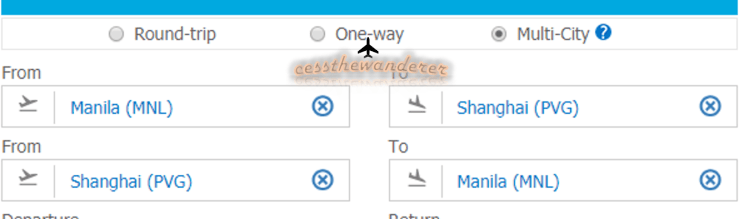
- If planning a multi-city tour book one-way from one city and another to a different city. In our case, our entry point is Shanghai and exit point on Beijing. We were able to save tons of money by doing this.
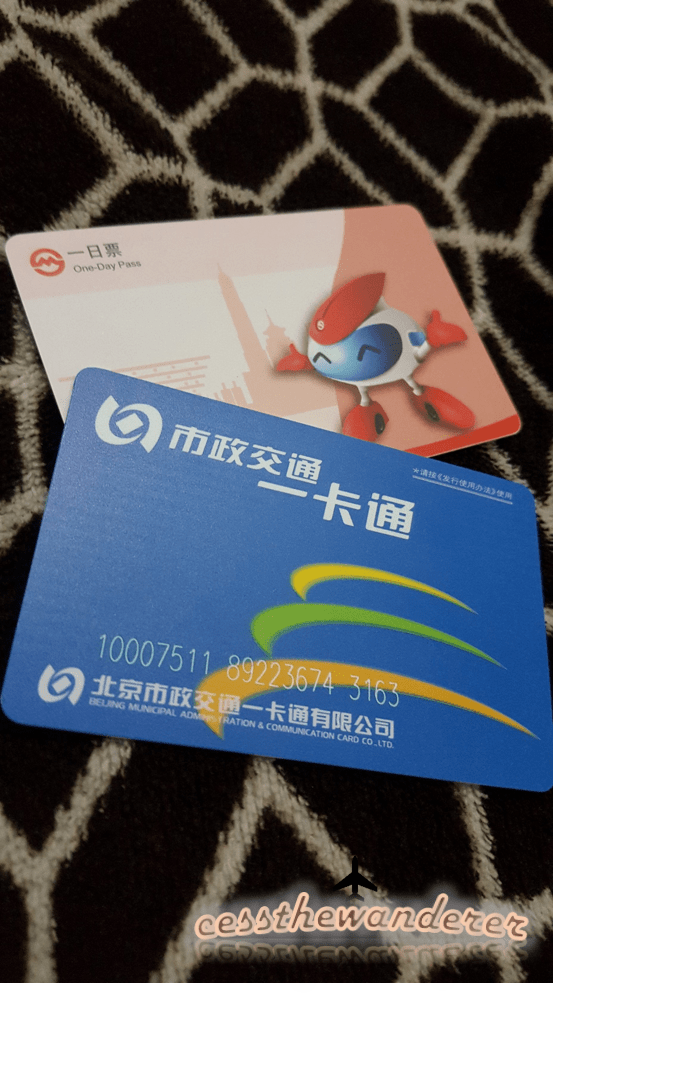
- Buy transportation card to save time in buying individual tickets. In Shanghai, we bought 1 day unlimited metro pass for 18 RMB. In Beijing, we bought a Yikatong card which cost 20 RMB but is refundable upon surrendering. It is recommended to load 50 RMB for a 3 days trip. Yikatong card offers 50 % discount for every bus ride. It’s a big savings for us since we’ve done a DIY trip to Mutianyu which requires a bus ride.
- Book your train ticket in advance online to be sure that you can arrive on your destination as tickets sell-out especially during peak holiday periods. We bought ours via China Travel Guide.
- Bring travel pillow and blanket for your train journey. Don’t forget to bring something to watch since the train ride will take 13 hours though most of the time we were sleeping.
- Beware of scammers. There are different types of scams especially on tourist areas. Though they won’t hurt you but they will rip your money off.
- Don’t ride a bullet train as it cost a lot of fortune. We were able to save atleast 5,000 by riding a midnight train.
- There is no time difference between China and Philippines.
- Exchange your money before leaving the country. Try exchanging money on your bank. We exchanged our money on BDO with no service charge. Check their Forex rate here.
- Google maps are not reliable in China as it is not updated. They don’t have Google street view as well due to state regulation. Use Baidu Maps instead.
- Take note down the Chinese characters of your destinations in case you got lost and have no choice but to take taxi.
- Always bring your passport as most attractions would require it.
- Prepare to squat on public toilets since you can rarely find western style toilet bowl. Also don’t forget to bring tissue.
- Tap water is not drinkable in China though hot water is provided in most of the restaurants.
- Bring face mask as the air pollution might get worst during your travel. Check real-time air quality index here.
 Cess the Wanderer
This is very helpful. Nice!!!
LikeLike
Thank you 🙂
LikeLike